|
|
|
|
|
|
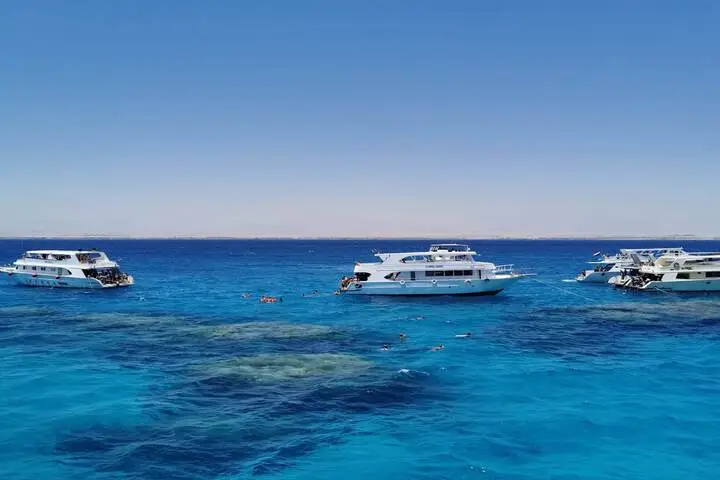
The Red Sea coastline of Egypt has long attracted visitors drawn to its crystalline waters, but beneath the surface lies an ecological system that operates on timescales far removed from human travel schedules. Coral reefs are not static underwater landscapes; they are living, breathing communities shaped by temperature gradients, nutrient cycles, and complex symbiotic relationships. Understanding the science behind these ecosystems transforms a coastal visit from a passive observation into a conscious engagement with one of Earth’s most resilient natural formations. This guide explores the ecological foundations of the region’s marine environment, how visitor behavior intersects with reef health, and how thoughtful preparation can align travel intentions with environmental reality.
|
|
The Intersection of Coastal Exploration and Regional Context
|
|
|
Egypt’s coastal geography extends far beyond its historical monuments, yet many travelers approach the Red Sea with expectations shaped by Mediterranean or Caribbean paradigms. The Red Sea differs fundamentally in its geological isolation, high salinity, and unique thermal profile. These conditions have driven the evolution of coral species that exhibit remarkable adaptability, making the region a focal point for marine biologists studying climate resilience.
|
|
|
For visitors seeking broader context, exploring Egypt Tours often reveals how coastal ecosystems are woven into national conservation frameworks, educational initiatives, and regional tourism development. This broader perspective helps travelers recognize that reef preservation is not an isolated concern but a coordinated effort involving scientific research, policy adaptation, and community participation.The cultural dimension also matters.
|
|
|
Coastal communities have historically relied on marine resources for sustenance, navigation, and trade. Their traditional knowledge—often passed down through generations—complements modern scientific approaches by offering localized insights into seasonal fish movements, coral spawning cycles, and sustainable harvesting practices. When travelers acknowledge this dual heritage of science and tradition, their engagement with the marine environment shifts from extraction to exchange. This mindset lays the groundwork for experiences that prioritize understanding over consumption, and respect over convenience.
|
|
Understanding Coral Resilience and Environmental Pressures
|
|
Thermal Tolerance and Adaptive Mechanisms
|
|
|
Coral reefs in the Red Sea have demonstrated an unusual capacity to withstand temperature fluctuations that would cause bleaching in other regions. This resilience stems from genetic adaptations, symbiotic algae strains that tolerate higher heat, and water circulation patterns that distribute thermal stress more evenly. However, resilience does not equate to immunity. Prolonged temperature anomalies, reduced water quality, and physical disruption can still trigger degradation.
|
|
|
Scientific monitoring stations along the coast track these variables continuously, providing data that informs management strategies and visitor guidelines.For travelers, this scientific reality translates into a practical principle: reef health is dynamic, not permanent. Visibility, marine life abundance, and coral coloration vary seasonally and annually based on environmental conditions.
|
|
|
Recognizing this variability prevents disappointment and encourages adaptive planning. Instead of expecting a fixed underwater experience, visitors can prepare to observe the reef as a living system that responds to natural and human-influenced factors.
|
|
The Role of Marine Biodiversity in Ecosystem Stability
|
|
|
Coral structures serve as habitat for thousands of marine species, from microscopic plankton to apex predators. This biodiversity is not merely decorative; it maintains ecological balance through predator-prey relationships, nutrient cycling, and reef cleaning processes. Parrotfish graze on algae that would otherwise smother coral, while cleaner shrimp and wrasses remove parasites from larger fish. Disrupting one component of this network can trigger cascading effects.
|
|
|
Travelers who study these interactions before arriving often report a heightened sense of awareness during snorkeling or diving. Recognizing the functional roles of different species transforms underwater observation into ecological literacy. Educational briefings, reef ecology guides, and marine conservation centers along the coast provide accessible entry points for this learning. The goal is not to turn visitors into marine biologists, but to equip them with enough context to make informed, respectful choices while in the water.
|
|
How Visitor Behavior Influences Reef Health
|
|
Physical Interaction and Chemical Impact
|
|
|
The most direct way travelers affect coral reefs is through physical contact. Leaning on coral formations, standing on shallow reefs, or handling marine life causes micro-fractures, stress responses, and tissue damage that can take years to heal. Equally significant is chemical impact: conventional sunscreens containing oxybenzone and octinoxate disrupt coral reproduction and increase susceptibility to disease.
|
|
|
Many coastal destinations now regulate or recommend reef-safe alternatives, but compliance relies on traveler awareness.These impacts are cumulative. A single instance of contact or improper sunscreen use may seem negligible, but repeated behavior across thousands of visitors alters reef conditions over time.
|
|
|
Conservation protocols—such as designated swimming zones, buoy moorings, and pre-dive orientations—exist to minimize friction between human activity and ecological vulnerability. Understanding the rationale behind these guidelines encourages voluntary adherence rather than resentful compliance.
|
|
The Shift Toward Educational Tourism
|
|
|
The tourism industry along the Red Sea coast has gradually recognized that environmental education enhances both visitor satisfaction and ecological outcomes. Operators who integrate brief ecological overviews, species identification tips, and behavioral guidelines into their services report higher guest engagement and lower incident rates. This approach aligns travel enjoyment with environmental responsibility, demonstrating that conservation and recreation are not mutually exclusive.
|
|
|
Travelers who prioritize educational components often find that their experiences become more memorable. Learning to identify coral species, understanding tidal patterns, or observing cleaning stations creates narrative depth that extends beyond visual appeal. This shift from passive consumption to active participation reflects a broader trend in coastal tourism: valuing knowledge as a core component of the travel experience.
|
|
Researching Access to Pristine Marine Environments
|
|
Evaluating Site-Specific Conditions
|
|
|
Not all reef access points offer the same ecological value or visitor infrastructure. Some locations feature heavily visited house reefs with established pathways, while others remain relatively undisturbed and require specialized guidance. Researching site conditions—including depth profiles, current strength, marine life frequency, and conservation status—helps travelers match their skill level with appropriate environments.
|
|
|
Those exploring options like Marsa Alam Tours often find detailed information about reef accessibility, seasonal visibility, and ecological sensitivity, enabling more informed planning.Site selection should also consider carrying capacity. Reefs with limited space or fragile formations benefit from visitor dispersion strategies, such as timed entry, group size restrictions, or alternative access routes.
|
|
|
Travelers who acknowledge these logistical constraints and adjust their expectations accordingly contribute to long-term preservation while still enjoying high-quality experiences.
|
|
Aligning Activities with Environmental Realities
|
|
|
Marine conditions fluctuate based on wind patterns, lunar cycles, and seasonal temperature shifts. Planning underwater activities without accounting for these variables can lead to suboptimal visibility, strong currents, or reduced marine activity. Consulting tidal charts, weather forecasts, and local operator guidance helps synchronize travel plans with natural rhythms. This approach not only improves experience quality but also reduces unnecessary resource consumption from repeated or poorly timed outings.
|
|
|
Additionally, travelers should consider the ecological timing of their visits. Coral spawning events, migratory fish passages, and seasonal plankton blooms occur during specific windows. Aligning travel with these natural phenomena enhances observation opportunities while reinforcing the understanding that reef ecosystems operate on biological, not human, schedules.
|
|
Balancing Infrastructure with Ecological Awareness
|
|
Navigating Developed Coastal Zones
|
|
|
Established coastal towns offer convenient access to marine activities, dining, accommodation, and transportation. However, increased development brings corresponding environmental pressures, including wastewater management, shoreline modification, and marine traffic. Travelers exploring Hurghada Tours often encounter a blend of modern infrastructure and natural access points, requiring mindful navigation between convenience and conservation.
|
|
|
The key is recognizing that infrastructure and ecology can coexist when managed intentionally. Wastewater treatment upgrades, artificial reef installations, and regulated boat routing demonstrate how coastal development can incorporate environmental safeguards. Travelers who support operators with transparent sustainability practices help reinforce market demand for responsible development models.
|
|
Preparing for a Meaningful Underwater Experience
|
|
|
Practical preparation extends beyond equipment checks. Travelers should research reef etiquette, familiarize themselves with local marine species, and understand emergency protocols for underwater activities. Physical conditioning, buoyancy control practice, and gradual depth progression reduce environmental impact while enhancing personal safety. Many coastal centers offer refresher courses, ecological briefings, and equipment rental services that prioritize sustainability alongside functionality.
|
|
|
Mental preparation matters equally. Approaching reef exploration with patience, observation skills, and respect for natural limits creates a more rewarding experience. The underwater environment operates on its own terms; aligning with those terms rather than imposing human expectations leads to deeper engagement and lasting appreciation.
|
|
Preparing for the Journey Ahead
|
|
|
The Red Sea’s coral ecosystems represent a convergence of scientific wonder, cultural heritage, and environmental responsibility. Travelers who approach these waters with curiosity, preparation, and respect participate in a broader movement toward conscious coastal exploration. Understanding reef ecology, recognizing the impact of visitor behavior, researching site conditions, and aligning activities with natural rhythms transforms a simple trip into a meaningful engagement with a living system.
|
|
|
Preservation does not require exclusion; it requires intention. By choosing educational components, supporting responsible access models, and practicing mindful behavior underwater, visitors contribute to the long-term vitality of these ecosystems. The Red Sea coast offers extraordinary beauty, but its true value lies in the opportunity to witness resilience in action, to learn from ecological adaptation, and to return home with a deeper commitment to protecting the natural systems that sustain both marine life and human curiosity.
|
|




التعليقات